Fire extinguishers
Fire Extinguisher Types Explained: Which One Do You Need?
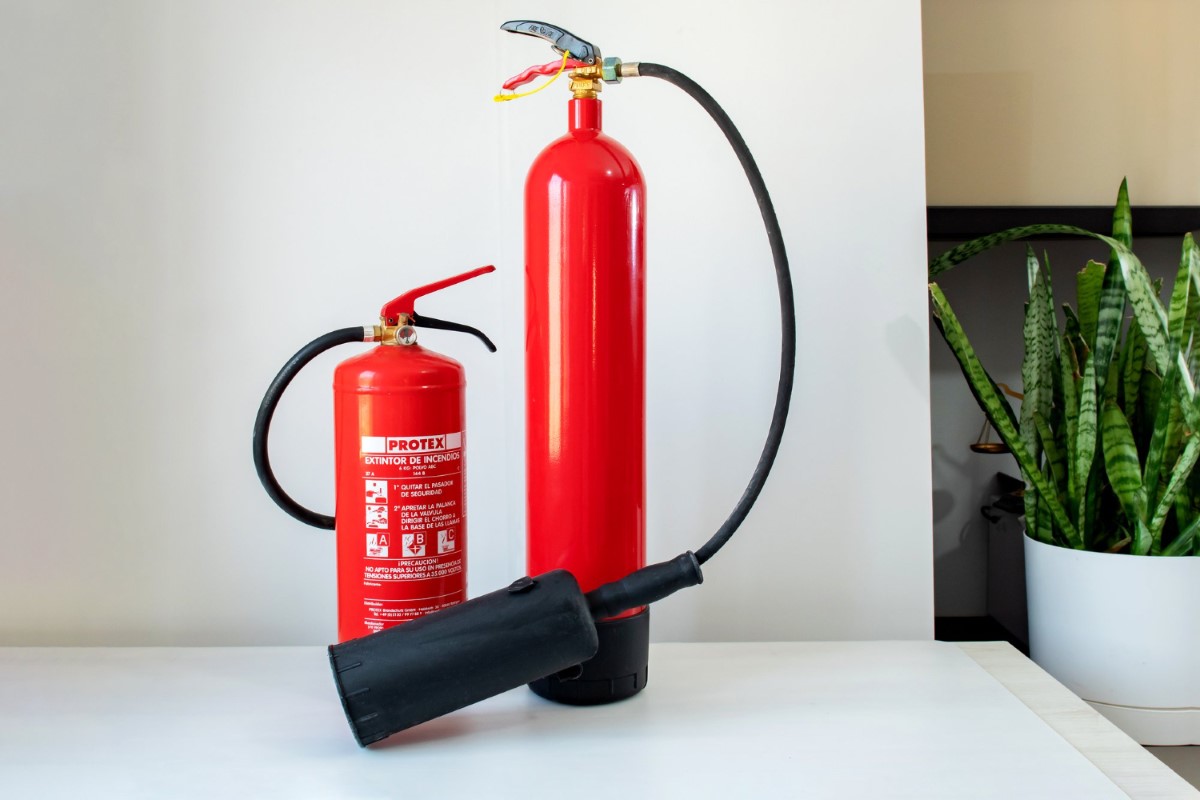
Choose a fire extinguisher by the material that may burn, any live electrical hazard and the unit’s stated rating. Water, foam, dry chemical powder, carbon dioxide and wet chemical agents have different applications. No single type is suitable for every fire.
The safest selection process starts with the workplace, then checks the proposed product’s label and documentation. The cheapest cylinder or the largest one on the shelf may not address the hazard you need to protect.
What do the main extinguisher types do?
| Type | Typical application, subject to the label | Key limitation |
|---|---|---|
| Water | Ordinary combustible solids such as paper and wood. | Ordinary water units are unsuitable for live electrical equipment and hot cooking oil. |
| Foam | Specified combustible-solid and flammable-liquid hazards. | Fuel compatibility and electrical restrictions must be checked. |
| Dry chemical powder | A range of hazards depending on the powder formulation and rating. | Residue and an airborne powder cloud can create additional problems. |
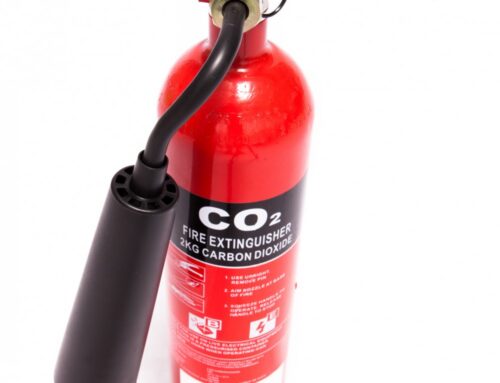
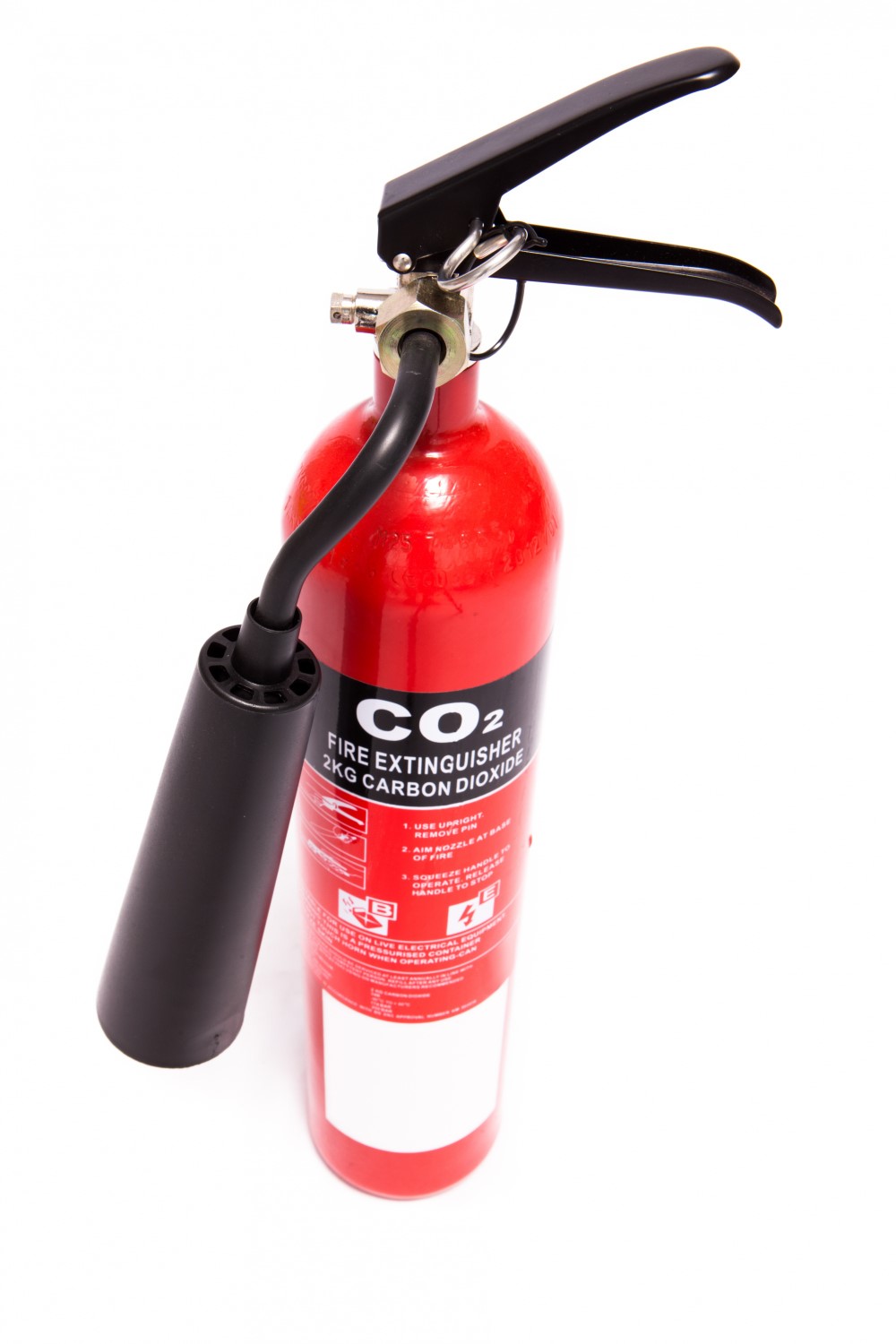
| Carbon dioxide, or CO₂ | Suitable electrical equipment and flammable-liquid applications. | Discharge can create an unsafe atmosphere in an enclosed space. |
| Wet chemical | Hot cooking-oil and fat risks where the unit is rated for them. | It is specialised protection, not a substitute for every other unit. |
| Specialist metal-fire agent | Specific combustible metals. | The agent must suit the metal; ordinary powder is not automatically suitable. |
Manufacturer literature illustrates these differences, including SafeQuip’s South African product guide. A general comparison table cannot replace the installed product’s instructions.
Can you select an extinguisher by fire-class letter alone?
Do not interpret a letter without checking the classification system and label. Imported charts may use different letters for electrical, gas or cooking-oil hazards.
Use the written hazard description and approved product documentation. Ask the provider to show which rating covers paper and packaging, flammable liquids, cooking oil or another identified risk. Keep the terminology consistent in staff training rather than mixing a foreign internet chart with the labels on site.
What extinguisher is suitable for live electrical equipment?
A suitable CO₂ unit is often considered where residue would damage equipment. Some dry chemical powder units are also marked for electrical hazards. Product suitability does not make approaching burning electrical equipment safe.
Raise the alarm and evacuate as required. Only trained people should consider first response with a suitable unit and a clear escape. Electrical isolation should only be attempted if safe and by someone able to do it correctly. Do not apply ordinary water equipment to energised electrical equipment.
Once power is isolated, the material actually burning still matters. Nearby packaging or furnishings may require a different agent. A battery in thermal runaway is another distinct hazard and needs a specialist response plan.
Is dry powder the best all-purpose choice?
Its versatility does not make it the best choice in every room. Different powder formulations have different capabilities, and a discharge can affect visibility, breathing and sensitive equipment.
For a workshop, the provider should consider the actual fuels and processes. For a small enclosed office, the consequences of dispersing powder deserve particular attention. Compare the proposed agent with the expected occupants and escape arrangements, not just its purchase price.
Why is cooking oil a separate selection problem?
Hot oil can remain capable of reignition after visible flames are knocked down. A suitably rated wet chemical extinguisher is designed for this hazard. It must be coordinated with any fixed kitchen suppression system and the staff response procedure.
Never pour water onto burning oil or carry a burning pan through the premises. A commercial fryer cannot be treated as a wastepaper-bin fire. Ask a competent kitchen-protection specialist to confirm the correct equipment and system coverage.
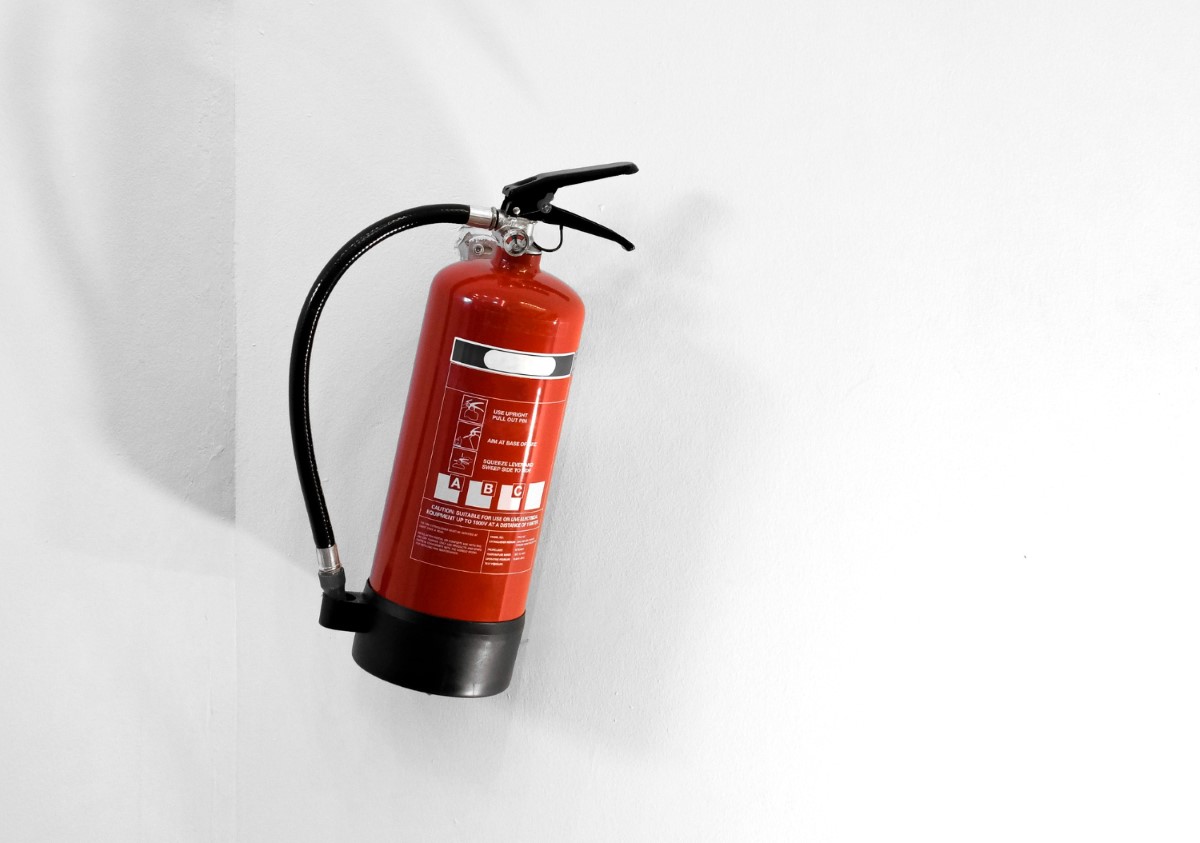
What should you read on the extinguisher label?
- The agent and model identification.
- The stated fire ratings and permitted applications.
- Warnings and excluded uses.
- Operating instructions.
- Relevant product identification and certification information.
- Service information and the equipment’s asset number.
Do not rely on colour alone. Missing or illegible instructions need attention. Staff should learn the actual units installed in their work area before an emergency.
How do you turn the comparison into a purchase decision?
Make a simple room-by-room hazard list and ask the provider to explain the proposed selection against it. Record the agent, rating, location and any special limitations. Then check the installation and maintenance arrangements.
The extinguisher compliance guide explains the wider requirements, while the servicing guide explains ongoing care.
Businesses in Gqeberha can discuss their equipment and any changed hazards through Aspigon Fire’s installation and upgrade enquiry. Supply a floor plan and description of the activities so selection is based on the premises.
Frequently asked questions
Does a larger cylinder always provide better protection?
No. Agent suitability, fire rating, access and the ability of the intended user to handle the unit all matter. Weight alone is not a specification.
Can ordinary dry powder be used on burning metal?
Do not assume that. Combustible metals require specifically compatible agents. Amerex’s metal-fire guidance illustrates why ordinary agents can be ineffective or hazardous on particular metals.
Can CO₂ be discharged freely in a small room?
No. CO₂ can create a dangerous atmosphere. Follow the product instructions and site emergency plan; do not remain in or enter a space that may be unsafe.
Sources and further reading
- SafeQuip: fire extinguisher and agent product guide
- Amerex: portable carbon dioxide extinguisher owner instructions
- Amerex: carbon dioxide safety data sheet
- Amerex: Class D fire-fighting agents technical note
- ANSUL: restaurant suppression systems and cooking-oil extinguishers
Sources checked 18 September 2026. Requirements must be applied to the actual premises, equipment and current applicable documents.