Fire extinguishers
CO₂ vs Dry Powder Fire Extinguishers: What’s the Difference?
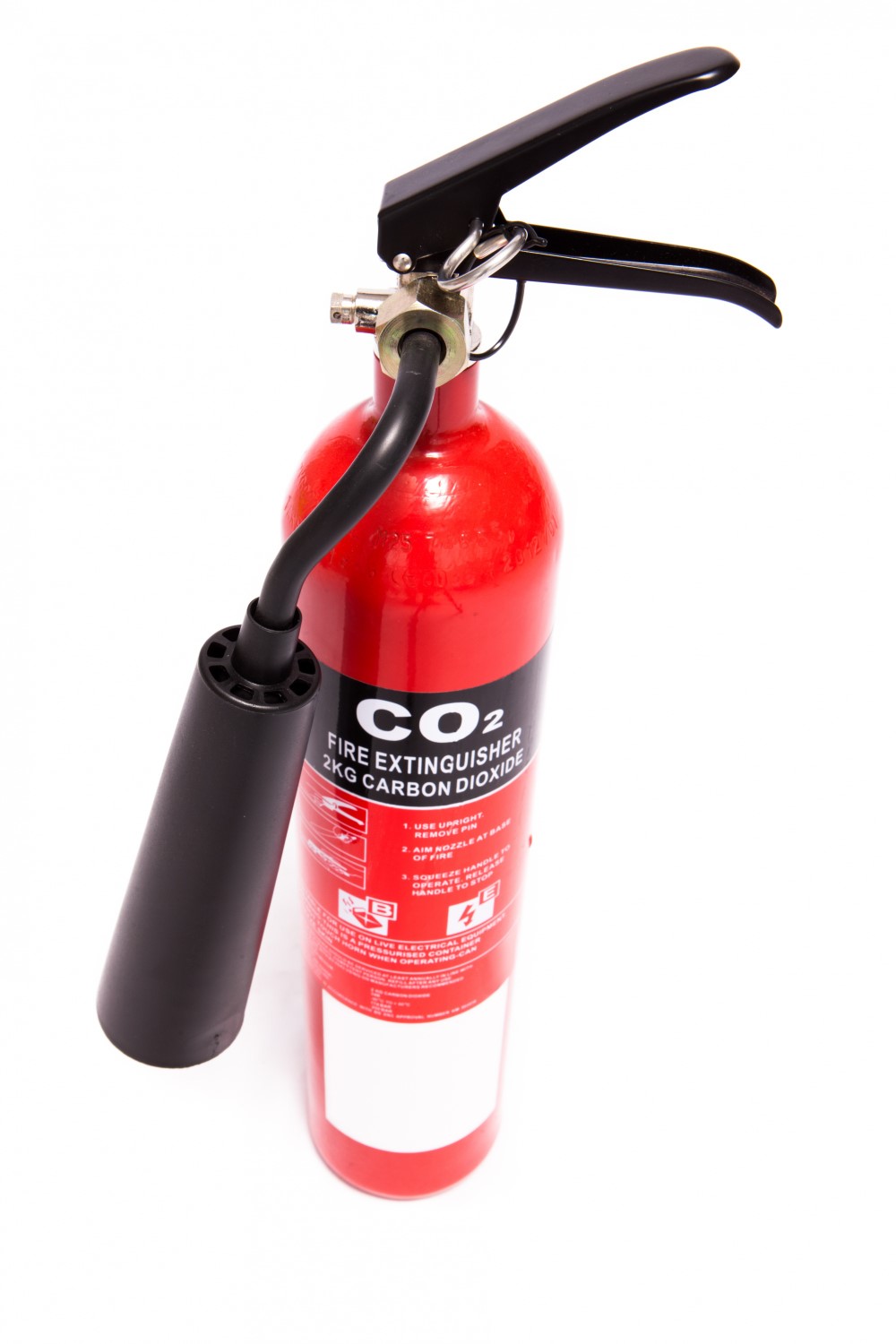
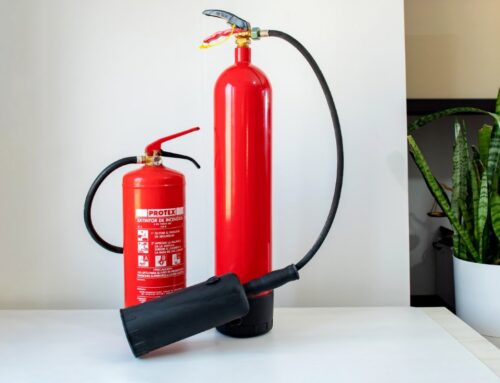
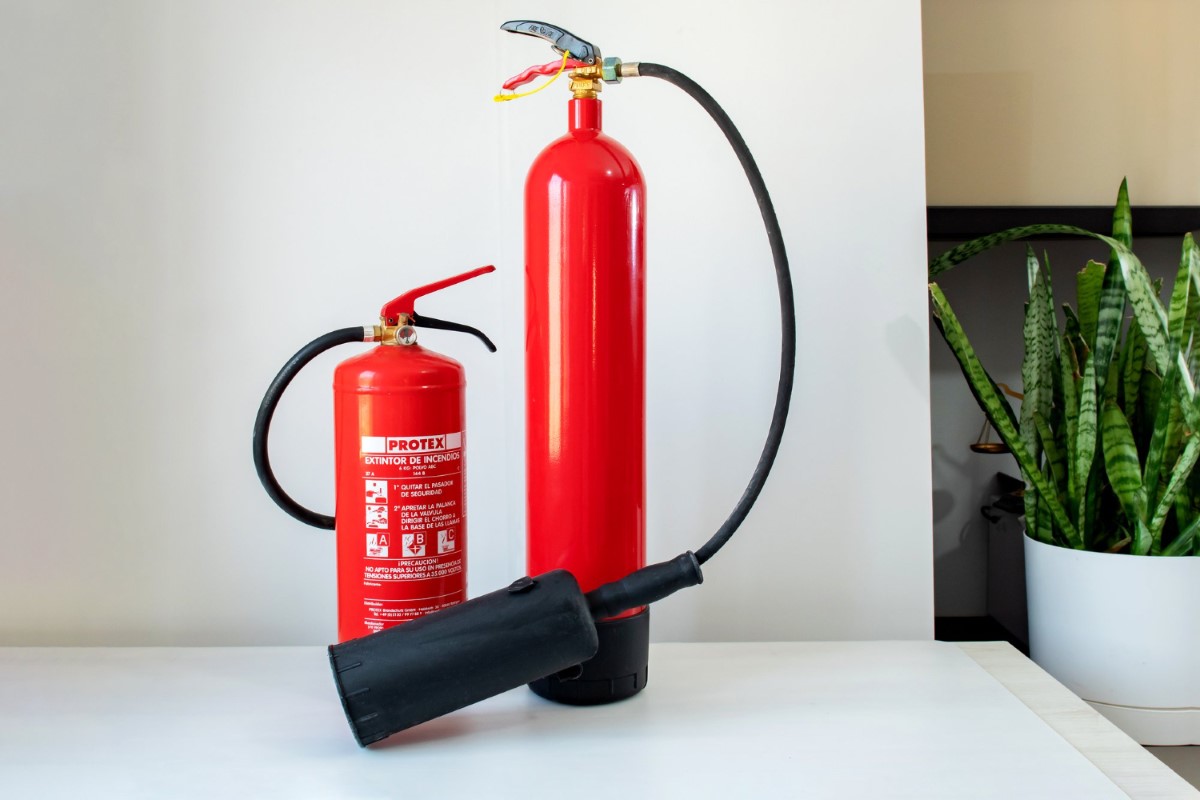
CO₂ extinguishers discharge carbon dioxide and leave no powder residue. Dry chemical powder extinguishers discharge an agent whose suitability depends on its formulation and rating. CO₂ is often considered around electrical equipment; powder may cover a wider mix of hazards, but residue and reduced visibility can be significant drawbacks.
Neither is the automatic winner. Selection depends on the fire risk, room conditions, people present and the particular product. The useful comparison is what each unit can safely do in your workplace.
How do CO₂ and powder differ?
| Question | CO₂ | Dry chemical powder |
|---|---|---|
| What is discharged? | Carbon dioxide from a pressurised cylinder. | A dry chemical agent, propelled from the unit. |
| What remains? | No powder deposit. | Powder on surfaces and equipment. |
| Is it suitable near live electrical equipment? | Commonly specified where the unit is suitable for the application. | Some formulations and units are suitable; verify the label. |
| What is the indoor concern? | Dangerous gas concentrations, particularly in restricted spaces. | Airborne powder, obscured visibility and contamination. |
| Does it cover every fuel? | No. | No; formulations are not interchangeable. |
Use the broader fire extinguisher types guide when neither option is appropriate, such as a cooking-oil or specialist metal hazard.
Why is CO₂ often selected for electrical equipment?
It avoids a powder deposit and is used in suitable electrical and flammable-liquid applications. That can be valuable where contamination would damage equipment. It does not establish that the equipment will survive the fire or that a person can approach it safely.
Consider the room as a whole. A cabinet may sit beside cardboard cartons, plastic furnishings or other combustible materials. A CO₂ unit chosen for the cabinet does not necessarily provide the required protection for everything around it.
What are the limitations of CO₂?
People and escape conditions come first. Amerex’s owner instructions warn about CO₂ use in unventilated spaces. The gas can produce a hazardous atmosphere, and the discharge components can become very cold.
Follow the model’s handling instructions, including use of the intended grip. Do not interpret “clean agent” or “no residue” as “safe to breathe”. Do not enter a room after a significant discharge until competent responders have established that it is safe.
Discuss ventilation and draughts with the provider, along with whether the hazard can reignite after the agent disperses. A unit needs to be suitable for the circumstances in which it is expected to work.
Why might a business select dry powder?
A correctly specified formulation can address a range of hazards. This can be useful where the workplace has a mixed risk profile, but the label must establish the actual capability.
Do not treat every “DCP” cylinder as identical. Different agents and ratings exist. Ordinary dry chemical powder must not be confused with specialist powders selected for particular combustible metals.
Ask what happens after a discharge as well as during one. In an office, food-processing area or electronics space, cleanup and equipment assessment may be substantial. People must still be able to see and use their escape route.
Could a business need both types?
Yes, if different hazards justify them. The decision should be recorded in the equipment selection and placement plan, with clear instructions so staff do not have to guess in an emergency.
Imagine an office attached to a workshop. One room contains computers, while another contains process materials. A provider should assess both, not choose the same extinguisher simply to standardise the purchasing order. Standardisation is useful only after suitability has been established.
What should you ask before replacing one with the other?
- Which hazard was the original unit intended to protect?
- What rating and application does the replacement have?
- Does the change affect people, visibility or escape in the space?
- Does the approved arrangement or insurer require review?
- Will signs, asset records and staff instructions be updated?
Keep the answer with the register. A substitution made solely because one model is available from stock can remove a capability that the premises relied on.
Do the maintenance checks differ?
They can. Many portable CO₂ units do not have the familiar operating-range gauge found on stored-pressure powder units. The provider must use the appropriate procedures for the model. Do not try to improvise a common check by opening or discharging either cylinder.
See the servicing frequency guide and regulations guide for maintenance planning and provider authorisation.
If your Gqeberha premises have changed use or equipment, discuss the required review through Aspigon Fire’s servicing and upgrade service. Describe the actual hazard rather than requesting a cylinder by colour or weight alone.
Frequently asked questions
Is CO₂ the same as a fixed gas-suppression system?
No. A portable extinguisher depends on manual use. A fixed system has its own design, detection or actuation arrangements, protected enclosure and occupant safeguards.
Can either type replace a kitchen wet chemical extinguisher?
Do not make that substitution. Hot cooking-oil protection requires an agent and unit specifically suitable for that hazard and coordinated with the kitchen system.
Can we use an extinguisher if smoke is blocking the exit?
Evacuate and call emergency services from safety. Do not attempt first response when smoke or fire threatens the escape route; equipment availability does not make the conditions safe.
Sources and further reading
- Amerex: portable carbon dioxide extinguisher owner instructions
- Amerex: carbon dioxide safety data sheet
- SafeQuip: fire extinguisher and agent product guide
- Amerex: Class D fire-fighting agents technical note
Sources checked 18 September 2026. Requirements must be applied to the actual premises, equipment and current applicable documents.