Business compliance
What Fire Safety Equipment Does a Business Need in South Africa?
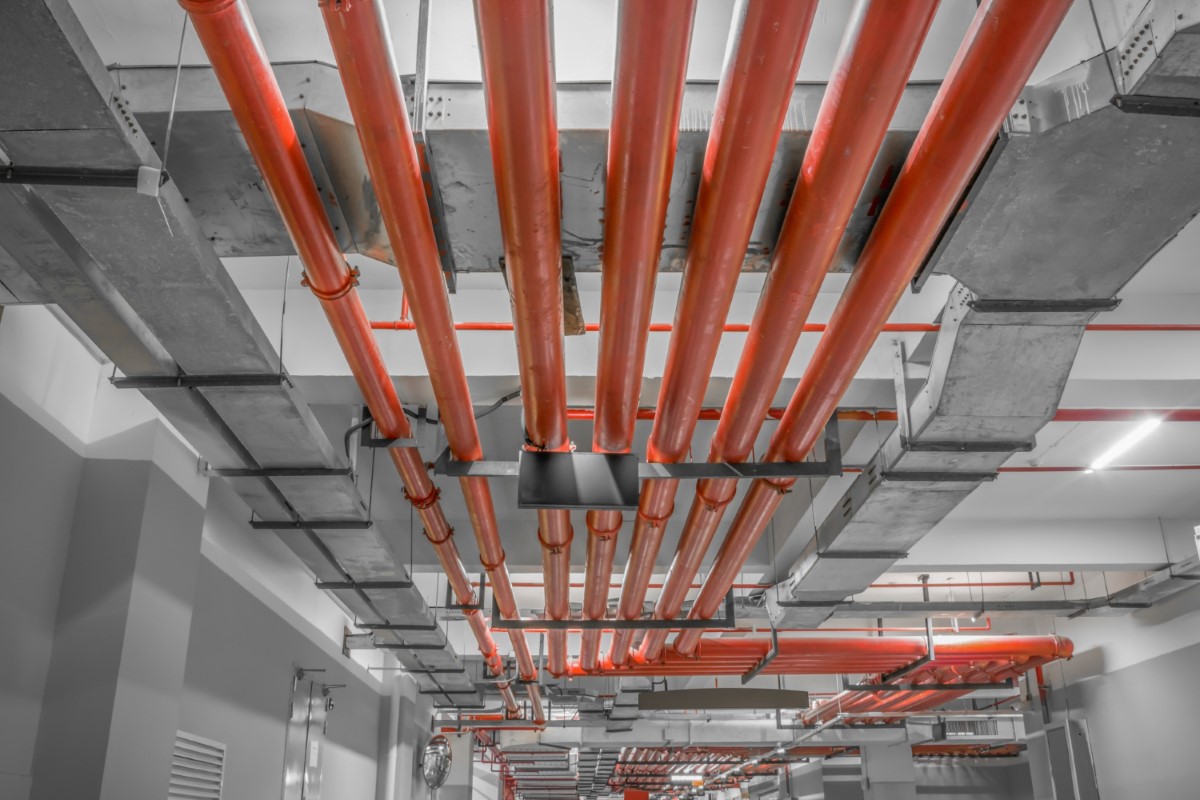
A business needs equipment matched to its building, occupants and fire risks. Portable extinguishers, warning arrangements and safe escape provisions are central considerations. Hose reels, hydrants, automatic detection, sprinklers or specialised suppression may also be required by the design, local authority or insurer.
There is no reliable universal shopping list for every South African business. Start by identifying what the premises are used for and how people would discover and escape a fire. Then select equipment as part of that protection plan.
Where should you start?
Collect the approved building and fire plans, occupancy information, existing equipment register and any insurer recommendations. Tell the assessor about cooking, flammable substances, electrical equipment, battery installations, storage and work done after normal hours.
A small office with an attached storeroom is not automatically the same risk as a similarly sized restaurant. The number of occupants, their familiarity with the building and the activities taking place affect the decisions.
What role does each type of equipment play?
| Provision | Main function | Selection question |
|---|---|---|
| Portable extinguishers | Limited first response to suitable small fires. | Which fuels and electrical hazards are present? |
| Hose reels and hydrants | Water-based firefighting provision. | What does the building design require, and is the water supply adequate? |
| Automatic detection | Detect signs of fire and initiate designed actions. | Where and how early must a fire be detected? |
| Alarm and evacuation equipment | Warn occupants and support the evacuation strategy. | Can everyone receive and understand the warning? |
| Emergency lighting and signs | Support identification of escape routes and equipment. | What happens when normal lighting fails? |
| Fixed suppression | Control or suppress a defined fire risk. | Which protected hazard and design standard apply? |
This is a decision aid, not a list of equipment legally required in every premises.
Are extinguishers enough?
Not where the protection strategy requires other measures. Extinguishers depend on somebody detecting the fire, selecting the correct unit and being able to act safely. They do not provide automatic warning or make an obstructed exit usable.
Use the extinguisher regulations guide to understand selection and responsibilities. Avoid replacing an existing hose reel or suppression system with extra portable units without competent design advice and any necessary approval.
Does every business need automatic fire detection?
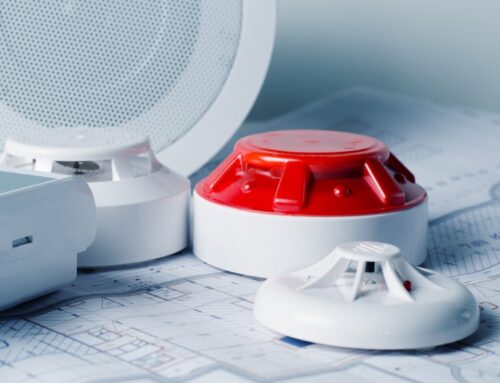
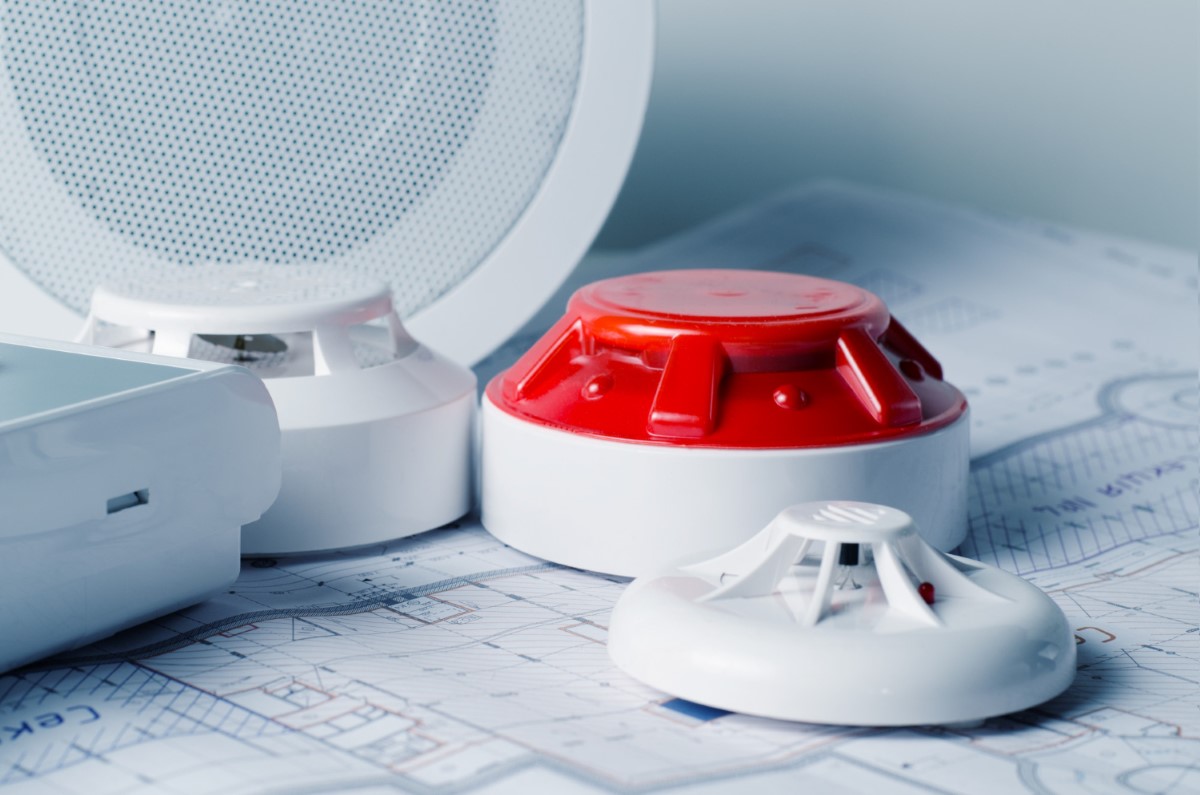
The need and scope must be determined for the occupancy and applicable design. A detector bought from a hardware shop is not automatically a substitute for a designed commercial fire-alarm system.
Ask how a warning reaches people in noisy work areas, isolated rooms, toilets and areas used by visitors. Consider occupants with hearing or mobility needs. Also establish whether the system only warns locally or sends signals to a monitoring provider: these are different functions.
What changes in a commercial kitchen or server room?
Hot cooking oil needs protection specifically suitable for that hazard. Ordinary office equipment should not be copied into a kitchen without checking suitability. Fixed kitchen suppression and a portable extinguisher serve different roles.
A server room may need early detection and specialised protection based on the design and business risk. Gas suppression requires assessment of the enclosure and occupant safeguards. “Leaves no powder residue” does not mean an agent is harmless to breathe or appropriate in every occupied space.
What about fire doors and escape routes?
These are part of the protection system even though they do not appear on a portable-equipment invoice. A door intended to limit smoke or fire spread cannot do that job if it is improperly held open. A signed exit is ineffective if stock blocks the route beyond it.
General Safety Regulation 13J addresses fire precautions and egress. Have the actual route and door arrangements assessed rather than assuming an exit sign proves suitability.
How should equipment be specified in a quotation?
Request a written scope showing the design basis, equipment locations, quantities, ratings or model details, relevant standards, commissioning, staff handover and maintenance arrangements. List what is excluded, particularly building work, electrical interfaces, water-supply changes and ongoing monitoring.
Compare quotations on that common scope. A cheaper offer that omits commissioning or required interfaces is not the same installation at a lower price.
Who will maintain it after installation?
Assign a responsible person and obtain a maintenance schedule for each system. Different equipment requires different procedures; do not copy the extinguisher schedule to the detection panel or kitchen system. Read the extinguisher servicing guide for the distinction between visual checks and professional work.
For a business in Gqeberha, Aspigon Fire’s fire detection services and installation and upgrade services provide a starting point for discussing the premises. Share the plans and operational risks so that the appropriate scope can be established.
Frequently asked questions
Can a tenant rely on the building’s shared equipment?
Only after confirming what it protects and who maintains it. Shared systems may not cover a tenant’s new kitchen, changed partitions or special processes.
Does a hose reel replace an extinguisher?
Do not assume so. Their suitability and required provision differ. Water equipment is not suitable for every hazard, including live electrical equipment and burning cooking oil.
Should equipment be reviewed after a renovation?
Yes. Partitions, ceilings, doors, appliances and stock arrangements can change coverage or escape. Arrange a review before finalising the work so changes can be incorporated into the design.
Sources and further reading
- General Safety Regulations amendment, GN 5954 (2025), regulation 13J
- SANS 10400-T:2011, municipal reference copy including National Building Regulations Part T
- SAQCC Fire: registration verification and standards disciplines
- ANSUL: restaurant suppression systems and cooking-oil extinguishers
Sources checked 18 September 2026. Requirements must be applied to the actual premises, equipment and current applicable documents.